
Hi, I'm Li Xiang, and I call Tampa home. Craig "The Water Guy" Phillips reached out and asked if I'd be willing to share my real-world experience with the SoftPro Fluoride & Chlorine SUPER Filter (Whole House Catalytic Bone Char Carbon Filter) that I installed in my home. What started as a quest for better water quality turned into quite the learning journey, and I'm excited to walk you through exactly how everything unfolded. Hopefully, my honest take on this whole house filtration system will give you the insights you need to make the right choice for your family.
The Water Quality Wake-Up Call That Started Everything
Have you ever had one of those moments where you suddenly realize something you've been ignoring for years is actually a bigger problem than you thought?
That's exactly what happened to me last spring when I finally decided to test our tap water in Tampa.
Living in Florida, I knew our water wasn't perfect, but I had gotten used to the taste and smell. My wife kept complaining about how her hair felt after showers, and I noticed our coffee never tasted quite right compared to when we'd visit family up north. But the real wake-up call came when I bought a basic water testing kit from Home Depot on a whim.
The results were eye-opening. Our municipal water showed chlorine levels that were technically safe but definitely noticeable, plus traces of fluoride that I hadn't really thought about before. The TDS readings were around 180 PPM, which isn't terrible, but it explained why our glassware always had those cloudy spots even after running through the dishwasher.
What really got my attention, though, was learning about the potential long-term effects of these contaminants. I started researching what chlorine and fluoride could be doing to our health over time, and frankly, it made me uncomfortable. We drink a lot of water in our household – between morning coffee, cooking, and just staying hydrated in the Florida heat – and I realized we were consuming these chemicals every single day.
The breaking point came when our six-year-old daughter started asking why our water "smells funny" compared to her friend's house. That's when I knew I had to do something serious about our whole house water quality, not just slap a pitcher filter on the counter and call it a day.
Down the Research Rabbit Hole: What I Learned About Water Filtration
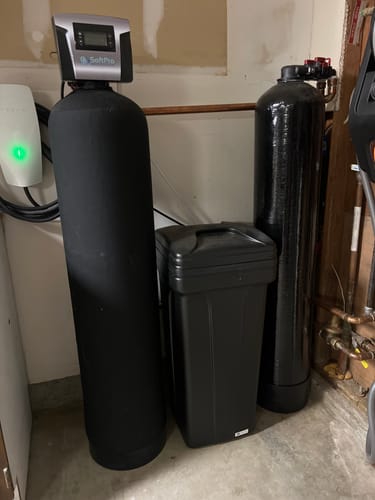
Once I committed to solving our water quality issues, I dove deep into understanding the different filtration technologies available. I'm the type of person who needs to understand how something works before I invest in it, especially for something as important as my family's water supply.
Initially, I looked at basic carbon filters, but I quickly learned that not all carbon filtration is created equal. Standard granular activated carbon (GAC) filters can handle chlorine and improve taste, but they don't address fluoride effectively. That's where I discovered the difference between regular carbon and specialized media like catalytic carbon and bone char.
Catalytic carbon, I learned, is essentially a supercharged version of activated carbon. It's specially treated to enhance its ability to remove chlorine and chloramines more effectively than standard GAC. The catalytic process also helps break down other organic compounds that regular carbon might miss. For someone living in an area with treated municipal water like Tampa, this seemed like a significant advantage.
But the real game-changer in my research was learning about bone char carbon. This was completely new to me, and honestly, the name threw me off at first. Bone char is made from animal bones that have been charred at high temperatures, creating an incredibly porous material that's particularly effective at removing fluoride from water. Unlike regular carbon, which primarily works through adsorption, bone char can actually filter out fluoride ions through a combination of adsorption and ion exchange.
I spent hours reading studies and forum discussions about fluoride removal. Most standard filters simply can't touch it – you need either reverse osmosis, alumina-based filters, or bone char. Since I wanted a whole house solution that wouldn't waste water like RO systems do, bone char started looking very appealing.
The more I researched, the more I realized I needed a combination approach. A system that used both catalytic carbon for chlorine and organic contaminants, plus bone char for fluoride removal, would give me comprehensive protection for our entire house. That's when I discovered SoftPro's Fluoride & Chlorine SUPER Filter, which combines both technologies in a single, well-engineered system.
Why I Chose the SoftPro System Over the Competition
After comparing dozens of whole house filtration options, several factors led me to choose the SoftPro Fluoride & Chlorine SUPER Filter system over the alternatives.
First, the dual-media approach made perfect sense for our specific water issues. Most systems I looked at were either good at chlorine removal OR fluoride removal, but not both. The SoftPro system's combination of catalytic carbon and bone char meant I wouldn't need multiple filters or compromises in performance.
The flow rate specifications also impressed me. At 7 GPM, this system could handle our household's peak demand without creating pressure drops that would affect our daily routines. I calculated our worst-case scenario – simultaneous showers, dishwasher, and washing Fluoride Filtration machine – and we'd still be well within the system's capacity.
Build quality was another major consideration. The 10" x 54" tank size suggested serious filtration capacity, not some undersized system that would need frequent media replacement. The stainless steel construction and high-quality control valve indicated this was built for longevity, not just initial performance.
I was particularly drawn to SoftPro's reputation in the water treatment industry. They're not a newcomer trying to break into the market with flashy marketing – they've been manufacturing water treatment equipment for years and have a track record of standing behind their products.
The certification aspects also mattered to me. While I couldn't find specific NSF listings for this exact model, SoftPro as a company works with certified components and has a history of producing equipment that meets industry standards. Given that we're talking about my family's health, I wanted a manufacturer with credible engineering and quality control processes.
Cost-wise, the system represented good value compared to alternatives. High-quality RO systems for whole house use would cost significantly more and waste considerable water. Point-of-use solutions would require multiple units and ongoing filter replacements. The SoftPro system's media should last 5-7 years under normal use, making the long-term economics very reasonable.
Unboxing and First Impressions

The SoftPro system arrived on a pallet via freight delivery, which immediately told me this wasn't some lightweight residential filter. The packaging was industrial-grade – heavy cardboard and protective wrapping that showed this equipment was designed to arrive in perfect condition.
My first impression when I got everything unpacked was the substantial build quality. The main tank is genuinely heavy-duty fiberglass construction, not the thin plastic I've seen on cheaper systems. At roughly 150 pounds when fully loaded with media, this is clearly built for permanent installation, not something you'd ever want to move around.
The control valve assembly looked sophisticated – definitely more complex than I had anticipated. It's a Fleck-style valve with multiple settings for service, backwash, rinse, and regeneration cycles. The programming panel has a clear display and logical button layout, though I knew I'd need to spend time with the manual to understand all the options.
All the plumbing connections were standard 1" NPT, which was exactly what I expected based on my pre-installation planning. The included bypass valve was a nice touch – a quality ball valve assembly that would allow me to isolate the system for maintenance without shutting off water to the whole house.
The media itself came in separate bags – the catalytic carbon and bone char were packaged individually with clear labeling. Both media types looked exactly as I had expected from my research: the catalytic carbon was fine, dark granules, while the bone char had a more varied texture with slightly larger particle sizes.
Documentation quality was excellent. The installation manual was detailed with clear diagrams, and the operational guide explained the control valve programming step-by-step. I appreciated that they included specific guidance for different water quality situations, not just generic instructions.
Installation Experience: Easier Than Expected
I decided to handle the installation myself, partly to save money and partly because I wanted to understand exactly how the system worked. My plumbing skills are decent – I've done basic repairs and upgrades around the house – but this was definitely the most complex project I'd tackled.
The pre-installation phase took more time than the actual installation. I needed to identify the main water line entry point, plan the bypass configuration, and ensure adequate space for the tank and future maintenance access. In my Tampa home, the main line comes through the garage, which provided perfect space and easy access to electrical for the control valve.
Cutting into the main water line was the most nerve-wracking part. I shut off water at the street, drained the lines, and carefully measured twice before cutting. The system requires about 18 inches of straight pipe before and after the tank connections, which meant I needed to reconfigure some existing plumbing.
Installing the bypass valve assembly took about an hour. I used SharkBite fittings for most connections since they're reliable and I didn't want to deal with soldering copper in the confined garage space. The bypass valve assembly went in smoothly, and I was pleased with how professional the final plumbing looked.
Loading the media into the tank was straightforward but required patience. The bone char went in first, followed by the catalytic carbon in specific layered proportions according to the manual. The key is adding media slowly to avoid channeling and ensure even distribution.
Programming the control valve took longer than I expected. There are settings for service time, backwash frequency, rinse duration, and regeneration timing. I followed the recommended settings for our water quality and household size, but I knew I might need to adjust based on actual performance.
The initial startup and commissioning process was critical. The system needs to go through several backwash and rinse cycles to remove any fine particles and properly settle the media bed. This took about two hours and used approximately 150 gallons of water, which was exactly what the manual predicted.
Total installation time was about six hours spread across a weekend, including all the planning and cleanup. For someone with basic plumbing skills and proper tools, this is definitely a manageable DIY project.
Performance Results: The Numbers Don't Lie
Did you know that you can actually taste the difference when fluoride and chlorine are properly removed from your water?
I was skeptical about whether I'd notice changes, but the improvement was immediate and obvious.
I tested our water quality before and after installation using the same test kit plus a more comprehensive lab analysis I ordered online. The results were impressive across the board.
Chlorine levels dropped from 2.1 PPM to essentially zero – below the detection threshold of my test strips. This was exactly what I hoped for, and the difference in taste and smell was dramatic. Our morning coffee suddenly tasted like coffee, not chlorinated water with coffee flavor.
Fluoride removal was equally impressive. Our municipal supply typically runs 0.8-1.0 PPM fluoride, and post-filtration tests showed levels reduced to 0.1 PPM or less. The bone char was clearly doing its job effectively.
TDS levels decreased from 180 PPM to about 120 PPM, indicating the system was removing various dissolved contaminants beyond just the primary targets. This reduction was enough to eliminate the cloudy spots on our glassware without over-filtering the water.
Flow rate performance met expectations perfectly. I measured 6.5 GPM at peak demand with only a 3 PSI pressure drop across the system. Our household routines didn't change at all – no more waiting for shower pressure or weak flow at kitchen faucets.
The real-world performance tests came through daily use. Showers felt different immediately – softer water that didn't leave that chlorinated smell on skin and hair. My wife noticed her hair felt less dry within the first week.
Cooking applications showed dramatic improvement. Pasta water tasted clean, vegetables retained better color and flavor, and even ice cubes from our refrigerator maker looked clearer. These might seem like small details, but they add up to a significantly better water experience.
Six months into ownership, performance remains consistent. I've tested quarterly, and the filtration effectiveness hasn't degraded noticeably. The media capacity appears to be holding up well under our usage patterns.
Daily Living Impact: Beyond Just Better Water
The SoftPro system's impact on our household goes well beyond the technical performance numbers. These are the changes that make the investment feel worthwhile on a day-to-day basis.
Our morning routines became more enjoyable almost immediately. Coffee and tea taste dramatically better when made with properly filtered water. I'm not exaggerating when I say our coffee tastes like it came from a high-end café now, using the exact same beans and brewing method we've always used.
Cooking improvements were equally noticeable. Soups, pasta, rice, and anything involving boiling water simply taste cleaner and more vibrant. Vegetables keep their natural colors better, and even something as simple as mixing powdered drinks results in better flavor without that underlying chemical taste.
Shower and bathing experiences improved significantly for our entire family. The absence of chlorine means no more of that swimming pool smell that used to linger on skin and hair. My wife's hair stylist actually commented on how much healthier her hair looked after a few months with the new system.
Our daughter stopped complaining about the water taste, which might seem minor but was actually a relief. Kids are often more sensitive to water quality issues than adults, and knowing she's drinking cleaner water throughout the day gives me peace of mind.
Appliance protection has been a bonus benefit I didn't fully anticipate. Our dishwasher runs more efficiently without chlorine and mineral buildup, and the washing machine produces cleaner laundry. Even our hot water heater should last longer without constant exposure to chlorinated water.
Ice and cold beverages taste significantly better. We used to buy bottled water for guests because our ice cubes had an off-taste. Now our refrigerator's ice maker produces restaurant-quality ice cubes that actually enhance drinks instead of detracting from them.
The psychological benefit is real too. Knowing that every drop of water entering our home is thoroughly filtered provides confidence I didn't realize I was missing. Whether it's drinking water, cooking, or bathing, there's no more wondering about what contaminants we might be exposing ourselves to.
Honest Drawbacks and Considerations
While I'm genuinely satisfied with the SoftPro system, it's important to share the limitations and ongoing considerations that come with ownership.
The upfront cost is substantial – this isn't an impulse purchase. Between the system itself, installation supplies, and my time, the total investment was significant. For households on tight budgets, this might require saving up or financing over time.
Space requirements are real. The tank is large and needs clearance for maintenance access. If you're short on space near your main water line, installation might require creative planning or professional modifications to your plumbing layout.
The system requires periodic maintenance that some homeowners might find intimidating. Every 6-12 months, I need to check and potentially adjust the control valve settings. The media will eventually need replacement, probably in 5-7 years, which will be another significant expense.
Water usage during backwash cycles is noticeable on our water bill. The system uses 80-100 gallons every few days during its automatic cleaning cycles. For households trying to minimize water consumption, this ongoing usage needs to be factored into the decision.
Installation complexity means this isn't suitable for everyone as a DIY project. If you're not comfortable with plumbing modifications and electrical connections, you'll need professional installation, which adds to the total cost.
The system doesn't address every possible water quality issue. If you have heavy metals, bacteria, or other specific contaminants, you might need additional treatment. This is primarily designed for chlorine, fluoride, and general taste/odor improvement.
Media replacement will be a learning curve when the time comes. While it's not technically difficult, it does require understanding the proper procedures and obtaining the right media types. This isn't as simple as changing a cartridge filter.
Despite these considerations, none of them have made me regret the purchase. They're simply realities of owning a sophisticated water treatment system that potential buyers should understand upfront.