
Hi, I'm Petrick. I live in Orlando.
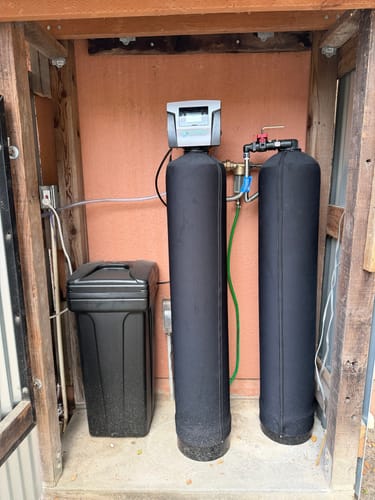
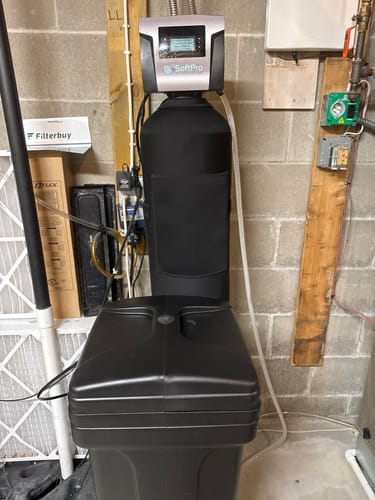
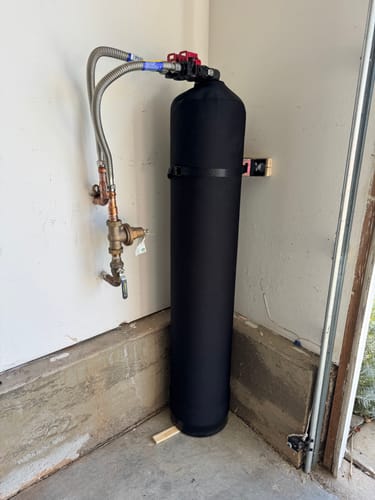
Craig "The Water Guy" Phillips asked me to share my experience as a homeowner with the SoftPro Fluoride & Chlorine SUPER Filter (Whole House Catalytic Bone Char Carbon Filter) I purchased.
This is how my adventures played out. I hope this helps you in your decision.
The Water Problem That Changed Everything
Did you know that the average American household uses over 300 gallons of water daily?
I certainly didn't until I started noticing our water quality issues becoming impossible to ignore. Living in Orlando, I thought our municipal water would be decent, but boy was I wrong. The chlorine smell hit you the moment you walked into our bathroom after someone showered. My wife started complaining about her hair feeling dry and brittle, and honestly, I was getting tired of the metallic taste every time I filled up my water bottle from the kitchen tap.
The breaking point came during a dinner party last summer. One of our guests politely asked if we had any bottled water because the tap water "had a strong chemical taste." That was embarrassing enough, but then I started connecting the dots to other issues we'd been experiencing.
Our white clothes were coming out of the wash looking dingy and gray. The ice cubes from our refrigerator had this weird cloudiness to them. Even our coffee – and I'm particular about my morning brew – tasted off. I realized we were dealing with more than just "city water taste."
After some research, I learned that Orlando's water supply, while meeting federal safety standards, contains significant levels of chlorine for disinfection, fluoride for dental health, and various other chemicals that accumulate as water travels through the distribution system. The chlorine alone was causing the odor issues, but there were also concerns about chloramines, trihalomethanes (those cancer-causing byproducts of chlorination), and other contaminants that standard municipal treatment doesn't fully address.
The health implications started weighing on me. We're talking about water we drink, cook with, bathe in, and brush our teeth with daily. The skin and hair problems were just the visible signs – what about the long-term effects of consuming chlorination byproducts?
Research Journey and Why I Chose This System
I'm not the type to make major purchases without doing my homework, so I spent about six weeks researching whole house water filtration options. The information overload was real – carbon filters, reverse osmosis systems, UV sterilizers, catalytic media, bone char filters, and combinations of everything.
Most point-of-use systems (like under-sink filters) only address drinking water, but I wanted to solve the Fluoride Filtration whole-house problem. We needed something that would handle the chlorine and chemical taste for drinking, eliminate the odors affecting our showers, and protect our appliances from the buildup I was starting to notice in our dishwasher.
The SoftPro Catalytic Bone Char Carbon Filter caught my attention for several reasons. First, the dual-media approach made sense. The catalytic carbon specifically targets chloramines and chlorine more effectively than standard activated carbon, while the bone char component addresses fluoride and other contaminants that regular carbon can't handle.
What sealed the deal was the system's flow rate capacity. At 15 GPM, it could handle our household's peak demand without creating pressure drops that would make showers frustrating. I'd read horror stories about whole house filters that worked great until someone tried to run the dishwasher and shower simultaneously.
The NSF certification was another deciding factor. This wasn't some generic filter claiming miraculous results – it was tested and certified for specific contaminant reduction. The bone char media is NSF 42 certified for chlorine reduction and taste/odor improvement, while also providing fluoride reduction capabilities that most carbon systems simply can't match.
Craig Phillips' reputation in the water treatment industry gave me additional confidence. When someone who's been solving water problems for decades recommends a specific configuration, that carries weight. Plus, the system was designed with maintenance in mind – no complicated regeneration cycles or expensive ongoing chemical additions.
Unboxing and First Impressions
The system arrived in two separate shipments – the main tank and control head in one delivery, and the media in another. Smart packaging approach since the filled tank would have been incredibly heavy.
First thing I noticed was the build quality of the Fleck 5600SXT control head. This isn't some cheap plastic timer system – it's a solid, programmable digital controller that's clearly built for long-term use. The tank itself is a 1.5 cubic foot fiberglass construction that feels substantial without being impossibly heavy to maneuver.
The documentation package was thorough – installation manual, programming guide, and warranty information were all clearly written. SoftPro included a detailed spec sheet showing exactly what media was included: catalytic carbon for chlorine and chloramine removal, plus bone char for fluoride and additional organic compound reduction.
One pleasant surprise was the bypass valve included with the system. This might seem like a small thing, but having the ability to bypass the filter during installation, maintenance, or emergencies is crucial for a whole-house system. Many companies charge extra for this essential component.
The media came in separate bags – about 1.2 cubic feet total. The bone char has a distinctive appearance, almost black with a slightly rough texture, while the catalytic carbon looks similar to standard activated carbon but with a more uniform granule size. Both media types were clean and dust-free, suggesting good quality control in the manufacturing process.
Installation Experience and Setup

I went back and forth on whether to tackle the installation myself or hire a professional. The plumbing work isn't overly complex if you're comfortable with basic pipe fitting, but whole house systems require cutting into your main water line – not exactly a forgiving place to make mistakes.
Ultimately, I hired a local plumber for the connection work and handled the programming and startup myself. The installation took about four hours total, including the time spent locating the best position in our utility room and installing the bypass valve.
The system installs on your main water line after the pressure tank (if you have well water) or after the main shutoff (for municipal water). In our case, we positioned it right after the water meter and main shutoff valve, ensuring that every drop of water entering our house would be filtered.
One consideration I hadn't fully thought through was the backwash drain requirement. The system automatically backwashes to clean the media and maintain flow rates, which means you need a drain line within reasonable distance of the installation location. Our utility room had a floor drain, making this simple, but it's something to plan for.
Programming the Fleck control head was straightforward once I understood the logic. You set it up based on your water usage patterns and desired backwash frequency. I initially configured it for every three days, but later adjusted to every five days based on our actual usage patterns and performance observations.
The initial startup process involves slowly filling the tank, checking all connections for leaks, and running the first backwash cycle. Watching that first backwash was actually pretty satisfying – you could see the media settling and the initial rinse water clearing up as the system stabilized.
Real-World Performance and Water Quality Results
The transformation wasn't gradual – it was immediate and dramatic. The first glass of water I poured after the system came online was noticeably different. Gone was the chemical taste and odor that we'd grown accustomed to. Instead, the water tasted clean and neutral, the way good water should taste.
But taste was just the beginning. Within a week, my wife commented on how much softer her hair felt after shampooing. The chlorine odor that used to linger in our bathroom after showers completely disappeared. Even our morning coffee tasted significantly better – I could actually taste the subtle flavors in my beans instead of fighting through a chlorinated aftertaste.
I decided to do some basic testing to quantify the improvements. Using test strips for chlorine detection, incoming water showed 2-3 ppm of chlorine (typical for our municipal supply), while post-filter samples consistently showed zero detectable chlorine. The system was clearly doing its primary job effectively.
More impressive was the fluoride reduction. Orlando adds fluoride to our water supply, bringing levels to about 0.8 ppm. Using a TDS meter and fluoride test kit, I measured a reduction to approximately 0.2 ppm after filtration – roughly 75% reduction. This level of fluoride removal is something that standard carbon filters simply cannot achieve.
The bone char component was proving its worth in other ways too. Water clarity improved noticeably – that slight cloudiness or haze that municipal water sometimes has was gone. Ice cubes from our refrigerator became crystal clear, and drinks mixed with our tap water simply tasted cleaner.
Over the following months, I started noticing secondary benefits I hadn't expected. Our dishes came out of the dishwasher cleaner, without the slight film or spotting we used to see. White clothing stayed whiter longer. Even our houseplants seemed to respond better to the filtered water, showing more vibrant growth.
The catalytic carbon's effectiveness against chloramines became apparent during a period when our municipal water authority switched disinfection methods. Instead of the typical chlorine smell, there was a different chemical odor that lasted about two weeks. Throughout that entire period, our filtered water remained completely odor-free and taste-neutral.
Daily Living Impact and Family Benefits
Eight months into ownership, the system has become such an integral part of our daily life that we notice its benefits constantly, often in small ways that add up to significant quality-of-life improvements.
Shower experiences transformed completely. The harsh, drying effect of chlorinated water on skin became apparent only after we eliminated it. My wife's hair stylist actually asked what products she'd started using because her hair looked healthier and held styles better. Our teenage daughter's sensitive skin issues – minor irritation and dryness we'd attributed to typical teenage skin changes – improved noticeably within a month.
Cooking became more enjoyable once I realized how much the water quality had been affecting our food. Rice cooked more evenly and tasted cleaner. Pasta water didn't have that slight chemical taste. Even simple things like washing fruits and vegetables felt different – the water actually felt clean and pure.
The improvement in our morning coffee routine might sound trivial, but it genuinely enhanced our daily ritual. I'd been using bottled water for coffee for months before the installation, but now our tap water produces better results than most bottled brands. The subtle flavors and aromas in quality coffee beans come through clearly without chlorine interference.
Unexpected benefits emerged in our laundry routine. Clothes feel softer and cleaner, even with the same detergent. White fabrics stay bright longer, and colors seem more vibrant. We've actually reduced our fabric softener usage because clothes come out of the wash feeling naturally softer.
Our guests consistently comment on the water quality now. Several friends have asked about the system after noticing the taste improvement. One neighbor, who's particularly sensitive to chlorine taste, mentioned that our water tastes "like good bottled water."
The peace of mind factor is harder to quantify but equally important. Knowing that we're reducing our exposure to chlorination byproducts, excess fluoride, and other municipal water additives provides a sense of control over our family's health that we didn't have before.
Operating Costs and Maintenance Reality
One of my initial concerns was ongoing operational costs, so I've been tracking expenses and maintenance requirements carefully.
The system backwashes automatically every five days (based on my programming), using approximately 150 gallons of water per cycle. At Orlando's water rates, this costs roughly $0.45 per backwash, or about $2.70 monthly. Electricity consumption for the control head is minimal – probably less than $2 per month.
The media replacement schedule is where the real costs lie. Catalytic carbon typically lasts 3-5 years depending on usage and incoming water conditions. Bone char media has a similar lifespan, though fluoride reduction effectiveness may decline slightly before other filtration capabilities do.
Based on current pricing, a complete media replacement will cost approximately $200-250 every 4 years. Breaking that down to monthly costs, we're looking at about $4-5 per month for media replacement reserves. Add in the operational costs, and total monthly expenses are under $10.
Compare that to our previous bottled water purchases – we were spending $25-30 monthly on drinking water alone, not addressing any of the bathing, cooking, or appliance protection benefits. The system pays for itself within the first year just on bottled water savings.
Maintenance requirements are refreshingly simple. The Fleck control head handles backwashing automatically, so there's no manual intervention needed. I check the system monthly during my general home maintenance routine, looking for any leaks, unusual sounds, or performance changes.
The bypass valve makes any future maintenance straightforward. If I ever need to service the system or replace media, I can maintain water flow to the house while working on the filter. This feature alone justifies the small additional installation cost.
Honest Assessment: Limitations and Drawbacks
After eight months of use, I can honestly say this system has exceeded my expectations, but it's not perfect for every situation or every household.
The upfront cost is significant – around $800-1000 for the complete system plus installation. While the payback period is reasonable, not every household can absorb that initial investment easily. Point-of-use systems cost much less, though they obviously provide more limited benefits.
Space requirements might be problematic for some homes. The system needs about 4 feet of vertical clearance and access for maintenance. Homes with cramped utility spaces or basement ceiling height issues might struggle with installation.
The backwash process uses a fair amount of water – about 150 gallons every five days in my configuration. For households on wells with limited capacity or in drought-prone areas, this water usage might be concerning. The frequency can be adjusted, but less frequent backwashing may impact performance.
Media replacement, while infrequent, requires either professional service or DIY comfort with handling filtration media. The bone char is messy to work with, and proper disposal of spent media requires some research into local regulations.
Flow rate, while excellent for most applications, might be limiting for extremely high-demand households. If you're running multiple high-flow appliances simultaneously (large jetted tubs, commercial-style dishwashers, multiple showers), you might notice slight pressure reductions.
The system doesn't address hardness issues. If you have hard water problems – scaling, soap scum, mineral buildup – you'll need water softening in addition to this filtration. The catalytic carbon and bone char handle chemical contaminants excellently but don't remove hardness minerals.
Final Verdict and Who Should Consider This System
After eight months of ownership, I can confidently say this system has been one of the best home improvements we've made. The water quality transformation touches every aspect of our daily life, from drinking and cooking to bathing and cleaning.
This system is perfect for households that: Face chlorine taste and odor issues in municipal water, want fluoride reduction capabilities beyond standard carbon filters, need whole-house filtration without the complexity of salt-based systems, value long-term media life and low maintenance requirements, and have adequate space and budget for the initial investment.
Consider alternatives if you: Have severe hardness problems requiring water softening, need iron or sulfur removal from well water, have extremely high water usage that might overwhelm the flow capacity, are working with very tight budget constraints, or lack adequate installation space.
The combination of catalytic carbon and bone char media addresses a broader range of contaminants than standard carbon systems while maintaining excellent flow rates and reasonable operating costs. For our situation in Orlando, dealing with heavily chlorinated municipal water with added fluoride, this system hits the sweet spot of comprehensive filtration without excessive complexity.
Would I purchase it again? Absolutely. Would I recommend it to friends with similar water quality issues? Without hesitation. The transformation in our daily water experience, combined with the peace of mind about reduced chemical exposure, makes this system an investment in our family's health and comfort that continues paying dividends every day.
The water tastes cleaner and softer now – exactly as promised, but the full impact goes far beyond those simple words to touch virtually every water-related activity in our home.