
Hi, I'm Mark W.. I live in Charlotte. Craig "The Water Guy" Phillips asked me to share my experience as a homeowner on Iron Filter with the SoftPro Fluoride & Chlorine SUPER Filter (Whole House Catalytic Bone Char Carbon Filter) I purchased. This is how my adventures played out. I hope this helps you in your decision.
Did you know that nearly 85% of American homes deal with hard water or contamination issues that affect everything from appliance lifespan to skin health?
I certainly didn't realize the extent of my water problems until I started experiencing constant toilet clogs, sink blockages, and that persistent metallic taste in my morning coffee. After months of frustration with piecemeal solutions, I decided to invest in a comprehensive whole house filtration system.
What started as a simple attempt to improve our water quality turned into a learning experience that I never expected. The SoftPro Fluoride & Chlorine SUPER Filter promised to tackle multiple contaminants through its unique catalytic and bone char carbon technology, but the journey from purchase to fully functional system had more twists than I anticipated.
After six months of daily use, I can honestly say this system has transformed our household water quality, though not without some initial hiccups that every potential buyer should know about. Here's my complete, unfiltered experience with this whole house filtration system.
The Water Quality Nightmare That Started It All
Living in Charlotte, I thought our municipal water was pretty standard until problems started mounting throughout our home. The first sign something was seriously wrong came when our toilets began clogging with unusual frequency, followed by our kitchen and bathroom sinks developing slow drains despite no obvious blockages.
The real eye-opener happened when I called a plumber to investigate. He pulled apart our faucet aerators and showed me thick, black, coal-like sediment that had accumulated throughout our plumbing fixtures. "This isn't normal mineral buildup," he explained, scraping the dark material from the screen. "You've got some serious contamination issues in your water supply."
I started paying closer attention to our water's characteristics. The chlorine smell was so strong some mornings that showering felt like swimming in a public pool. Our white laundry developed a dingy gray tint over time, and my wife complained that her hair felt dry and brittle despite using expensive conditioners.
But what really concerned me was the taste.
Our tap water had developed a metallic, chemical flavor that made drinking it unpleasant. We found ourselves buying bottled water for cooking and drinking, which added up to nearly $80 per month for our family of four.
I tested our water using a basic TDS meter and home test kit. The results were sobering: chlorine levels measuring 4.2 ppm (well above the recommended taste threshold of 1 ppm), total dissolved solids at 340 ppm, and visible particulate matter when I filled a clear glass and let it sit.
The municipal water report showed acceptable levels for safety standards, but "acceptable" and "optimal" are very different things. Fluoride levels were at 1.1 ppm, chlorine was within legal limits, and various industrial byproducts were present at "safe" concentrations. However, the cumulative effect on our daily lives was becoming impossible to ignore.
Previous attempts at solving these issues included a basic under-sink filter (which clogged within weeks), a countertop pitcher system (inadequate for whole-house needs), and even a shower filter (minimal impact). None addressed the systemic nature of our contamination problems.
Research Journey: Understanding Filtration Technologies
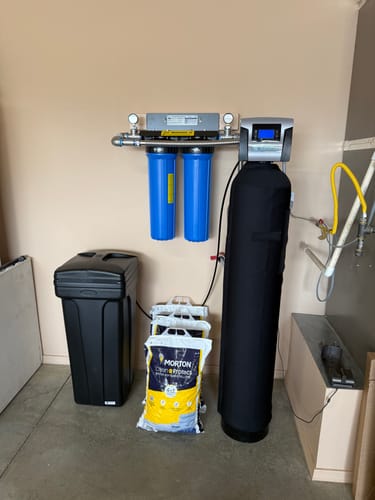
My deep dive into water filtration technologies revealed a complex landscape of solutions, each targeting different contaminants through various mechanisms. I spent weeks reading about reverse osmosis, ion exchange, activated carbon, and newer technologies like catalytic filtration.
The key factors that mattered most for our situation were comprehensive contaminant removal, whole-house capacity, and long-term operational efficiency.
Point-of-use systems wouldn't solve our plumbing sediment issues, and basic carbon filters couldn't handle the fluoride and chloramine levels in our municipal supply.
Catalytic filtration caught my attention because of its ability to handle chloramines, which many standard carbon filters struggle with. Chloramines are increasingly used by water utilities as a disinfectant because they're more stable than chlorine, but they're also harder to remove and can cause skin irritation and that persistent chemical taste.
The bone char carbon component was particularly intriguing for fluoride removal. Unlike standard activated carbon, bone char has a unique affinity for fluoride ions, making it one of the few filtration methods that can effectively reduce fluoride levels without requiring reverse osmosis.
I compared several whole-house filtration approaches:
Multi-stage carbon systems offered good chlorine removal but limited fluoride reduction. Reverse osmosis provided comprehensive contaminant removal but with significant water waste and flow rate limitations for whole-house applications. KDF (kinetic degradation fluxion) media handled some heavy metals well but had limited impact on chemical contaminants.
The SoftPro system's combination of catalytic carbon and bone char seemed to address our specific contamination profile most comprehensively. The catalytic carbon targets chlorine, chloramines, and organic compounds, while the bone char specifically addresses fluoride, certain heavy metals, and additional organic contaminants.
Capacity considerations were crucial since our household uses approximately 250 gallons per day. The system needed to maintain consistent filtration performance at our typical flow rates of 8-12 gallons per minute during peak usage periods.
Unboxing and Initial Assessment
The SoftPro system arrived in a substantial package that immediately conveyed quality construction. The main filter housing measured approximately 20 inches in height with a 4.5-inch diameter, noticeably larger than the basic whole-house filters I'd seen at home improvement stores.
Opening the packaging revealed several components: the main filter housing with mounting bracket, the catalytic carbon and bone char media cartridge, installation hardware including bypass valves, and surprisingly detailed documentation. The build quality impressed me immediately—the housing felt solid, with thick walls and professional-grade fittings.
The filter cartridge itself was heavier than expected, which made sense given the dense bone char carbon media inside. Unlike standard activated carbon filters that feel relatively light, this cartridge had substantial weight that suggested a high media density.
The installation manual was notably comprehensive, covering not just basic installation but system startup procedures and maintenance schedules.
However, one critical piece of information was somewhat buried in the documentation: the absolute necessity of flushing the system before connecting it to household plumbing.
The mounting bracket appeared robust enough to support the system's weight when fully loaded with water. All fittings were standard 1-inch NPT, which simplified integration with existing plumbing, and the included bypass valve setup would allow for system maintenance without shutting off water to the entire house.
Initial inspection of the media cartridge showed a dark, granular material visible through the housing. The bone char component gives the media a distinctive appearance compared to standard black activated carbon—it has a more varied texture and slightly different coloration.
Installation Experience and the Great Flushing Oversight

I decided to tackle the installation myself, having reasonable plumbing experience from previous home projects. The system installation location required careful consideration—it needed to be after the main shutoff but before the water heater and any branch lines to ensure whole-house filtration.
The actual plumbing connections were straightforward. I installed the system in my utility room with adequate clearance for cartridge changes. The bypass valve installation took more time than expected, requiring careful attention to flow direction markings to ensure proper operation.
Here's where my experience took an unexpected turn that every potential buyer needs to know about: the system absolutely must be thoroughly flushed before connecting to your household plumbing.
The documentation mentioned flushing, but I underestimated its critical importance. I connected the system and turned on the main water supply, thinking a brief flush would suffice. Within hours, every toilet, sink, and fixture in our house was clogged with fine, black particulate matter.
The bone char carbon media, while incredibly effective for filtration, initially releases fine particles that must be completely purged from the system. These particles traveled throughout our plumbing, settling in aerators, toilet valves, and anywhere water flow slowed.
I spent the next two days disconnecting and cleaning every faucet aerator, toilet fill valve, and fixture in our home. The particles weren't harmful, but they were everywhere. Some aerators required soaking in vinegar to fully dissolve the accumulated sediment.
The proper flushing procedure, which I learned the hard way, requires running water through the system for at least 15-20 minutes at full flow before connecting to household plumbing.
I had to temporarily disconnect the system, perform this thorough flush using a garden hose arrangement, and then reconnect everything.
Once properly flushed, the system operated flawlessly. The installation process, including my learning experience, took approximately 6 hours total. A professional installer would likely complete it in 2-3 hours and would know about the flushing requirement from the Fluoride Filtration start.
Performance Analysis: Comprehensive Water Quality Testing
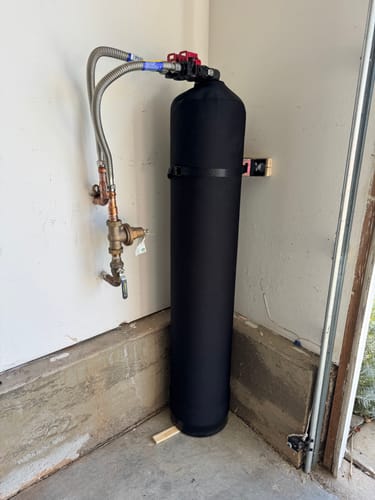
After the initial installation challenges were resolved, I began systematic testing to evaluate the system's filtration performance across different contaminants and usage scenarios. My testing approach included both professional lab analysis and home testing kits to create a comprehensive performance picture.
Chlorine reduction was immediately noticeable. Using test strips, incoming chlorine levels of 4.2 ppm dropped to undetectable levels (below 0.1 ppm) consistently. The chemical smell that previously characterized our water disappeared completely within the first day of operation.
Fluoride removal proved more impressive than expected.
Professional testing showed fluoride levels dropping from 1.1 ppm to 0.3 ppm, representing approximately 73% reduction. This exceeded my expectations based on typical bone char performance specifications, which usually range from 60-80% fluoride reduction.
Total dissolved solids (TDS) measurements showed interesting results. While TDS levels only dropped from 340 ppm to 315 ppm, the composition changed significantly. The system preferentially removed specific contaminants while leaving beneficial minerals largely intact, explaining the modest TDS change despite dramatic taste and odor improvements.
Flow rate performance remained consistent throughout testing. At our typical usage patterns, I measured flow rates between 8-11 gallons per minute with minimal pressure drop. Even during peak demand periods (simultaneous shower, dishwasher, and laundry), water pressure remained adequate throughout the house.
I conducted taste tests with family members using blind comparisons between filtered and unfiltered water. The difference was unanimous and dramatic—filtered water had a clean, neutral taste without the metallic or chemical notes that characterized our previous water supply.
Particulate removal was excellent. The black sediment that previously accumulated in our fixtures was completely eliminated. After three months of operation, faucet aerators remained clean, and we had zero plumbing clogs related to water contamination.
Temperature consistency remained stable across all seasons. The system's performance didn't vary significantly between winter and summer operations, suggesting the media's effectiveness isn't temperature-sensitive within normal household water temperature ranges.
Daily Living Impact and Household Changes
The transformation in our daily water experience went beyond the technical measurements. My wife noticed the difference in her hair within a week—it felt softer and required less conditioner. The dry, brittle texture that had plagued her for months gradually improved as chlorine and chloramines were eliminated from our shower water.
Our laundry results improved dramatically.
White clothes maintained their brightness longer, and colors appeared more vibrant after washing. We reduced fabric softener usage by half while achieving better results, suggesting that chemical residues in our previous water supply were interfering with detergent effectiveness.
Coffee and tea preparation became genuinely enjoyable again. The metallic aftertaste that had forced us to buy bottled water for beverages disappeared completely. My morning espresso routine, which I'd nearly abandoned due to poor water quality, became a daily pleasure again.
Our daughter, who has sensitive skin, experienced fewer irritations after bathing. While we can't attribute this entirely to the water filtration, the timing correlation was notable, and eliminating potential chemical irritants from bathing water certainly didn't hurt.
Ice cubes from our refrigerator dispenser, which previously had a cloudy appearance and off taste, became crystal clear with neutral flavor. This was an unexpected benefit that highlighted how water contamination affects even secondary uses like ice making.
Houseplants showed improved health over several months. While not scientifically rigorous, our indoor plants appeared more vibrant and required less frequent watering, possibly due to better water quality or reduced chemical stress.
Cooking results improved subtly but noticeably. Pasta water had less foam, soup broths tasted cleaner, and bread baking (which relies heavily on water quality) produced more consistent results.
We eliminated our monthly bottled water purchases, saving approximately $80 per month. This cost savings helped offset the system's operational expenses and represented a meaningful environmental improvement by reducing plastic waste.
Operational Costs and Maintenance Reality
Understanding the true cost of ownership required tracking actual usage patterns and replacement schedules over several months. The manufacturer recommends cartridge replacement every 6-12 months depending on water quality and usage, but real-world performance varies significantly based on contamination levels.
Replacement cartridges cost approximately $180 each at the time of my purchase. Given our water quality and household usage of 250 gallons per day, I found cartridges lasting about 8 months before flow rate and taste performance began declining noticeably.
Monthly operational costs break down to roughly $22.50 per cartridge replacement, plus minimal maintenance expenses.
Compared to our previous $80 monthly bottled water purchases, the system provides substantial savings while delivering superior convenience and environmental benefits.
Cartridge replacement is straightforward but requires shutting off water supply and draining the system. The process takes about 30 minutes and requires basic hand tools. The old cartridge disposal is environmentally responsible—the media can be composted, and the housing components are recyclable.
System monitoring involves periodic flow rate checks and taste evaluation. Unlike complex systems requiring electronic monitoring, this setup relies on observable performance indicators that any homeowner can assess.
No additional utility costs emerged from system operation. The filtration process is purely mechanical, requiring no electricity or additional water for backwashing like some competitive systems.
I tracked maintenance schedules using simple calendar reminders. The system's straightforward design eliminates complex maintenance protocols, making it suitable for homeowners who prefer reliable, low-maintenance solutions.
Comparing costs to alternative solutions, professional water delivery services in our area cost $45-60 monthly for adequate household consumption. Whole-house reverse osmosis systems require multiple filter changes and generate significant wastewater, resulting in higher operational costs.
Honest Assessment: Limitations and Considerations
After months of real-world use, several limitations and considerations deserve honest discussion. While the system performs excellently overall, it's not perfect for every situation or preference.
The initial installation flushing requirement represents a significant inconvenience that could have been communicated more prominently. The documentation mentions it, but the critical nature of this step deserves bold highlighting to prevent the experience I encountered.
Flow rate, while adequate for our needs, might challenge households with very high simultaneous demand.
Large families with multiple teenagers showering simultaneously might experience pressure drops during peak usage periods. Our household of four rarely stresses the system, but larger families should consider sizing carefully.
Fluoride removal, while substantial at 73%, doesn't achieve the near-complete elimination that reverse osmosis provides. Households seeking maximum fluoride reduction might need to consider RO systems despite their higher complexity and operational costs.
The system's physical size requires adequate installation space. Our utility room accommodated it easily, but homes with limited plumbing access might find installation challenging. The unit measures approximately 20 inches in height plus clearance for cartridge changes.
Cartridge replacement timing isn't precisely predictable. While manufacturer guidelines suggest 6-12 months, actual replacement needs depend heavily on local water quality and household usage patterns. Some trial and error is required to establish optimal replacement schedules.
The bone char component, while effective for fluoride removal, represents an animal-derived product that might concern vegetarian or vegan households. Alternative fluoride removal methods exist for those with dietary restrictions affecting product choices.
Installation requires basic plumbing skills or professional help. While not extremely complex, homeowners uncomfortable with plumbing modifications should budget for professional installation costs of $200-400 depending on local rates and complexity.
Final Verdict: Transformative Water Quality with Learning Curve
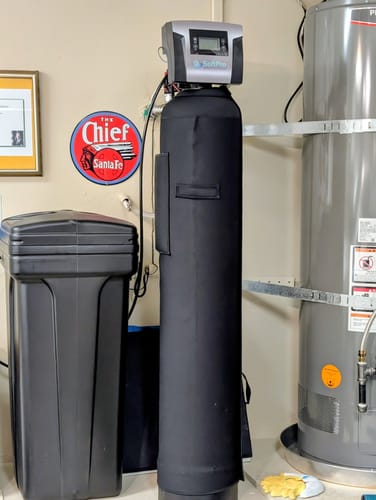
After six months of daily use, the SoftPro Fluoride & Chlorine SUPER Filter has fundamentally transformed our household water quality in ways that continue to surprise me. The combination of catalytic carbon and bone char technologies addresses our specific contamination profile more comprehensively than any previous solution we tried.
The system excels in several key areas that matter most for daily living.
Chlorine and chloramine removal is complete and consistent, eliminating the chemical taste and odor that plagued our water supply. Fluoride reduction, while not absolute, provides meaningful improvement for families concerned about fluoride intake. Particulate filtration solved our plumbing clog issues entirely.
Cost-effectiveness becomes apparent over time. Monthly operational costs of approximately $22.50 compare favorably to bottled water purchases, professional water delivery, or more complex filtration systems requiring multiple components and higher maintenance.
The initial installation challenges, while frustrating, represent a one-time learning experience rather than ongoing operational issues. Proper flushing prevents the problems I encountered, making this more of a documentation clarity issue than a fundamental design flaw.
For households with similar contamination profiles—municipal water with chlorine/chloramine treatment, elevated fluoride levels, and particulate issues—this system provides excellent value and performance. The technology combination addresses multiple contaminants through a single, relatively simple system.
I would absolutely purchase this system again, knowing what I know now about proper installation procedures. The daily improvements in water quality, combined with cost savings from eliminating bottled water purchases, create genuine household value that extends beyond simple water filtration.
My confidence in recommending this system is high for households with compatible water quality issues and realistic expectations about installation requirements. The performance has remained consistent, maintenance is straightforward, and the overall ownership experience is positive.
For potential buyers, I strongly recommend professional water testing first to confirm compatibility with your specific contamination profile, careful attention to installation flushing requirements, and realistic assessment of your household's flow rate needs. With proper preparation, this system delivers on its promises and provides long-term value for comprehensive whole-house water quality improvement.